How to Choose a Social Media Agency: 7 Questions to Ask First
What a social media agency does and how to choose one: seven first-meeting questions on goals, platforms, content and AI, ad labelling rules, account ownership, fake growth and what the report should show.
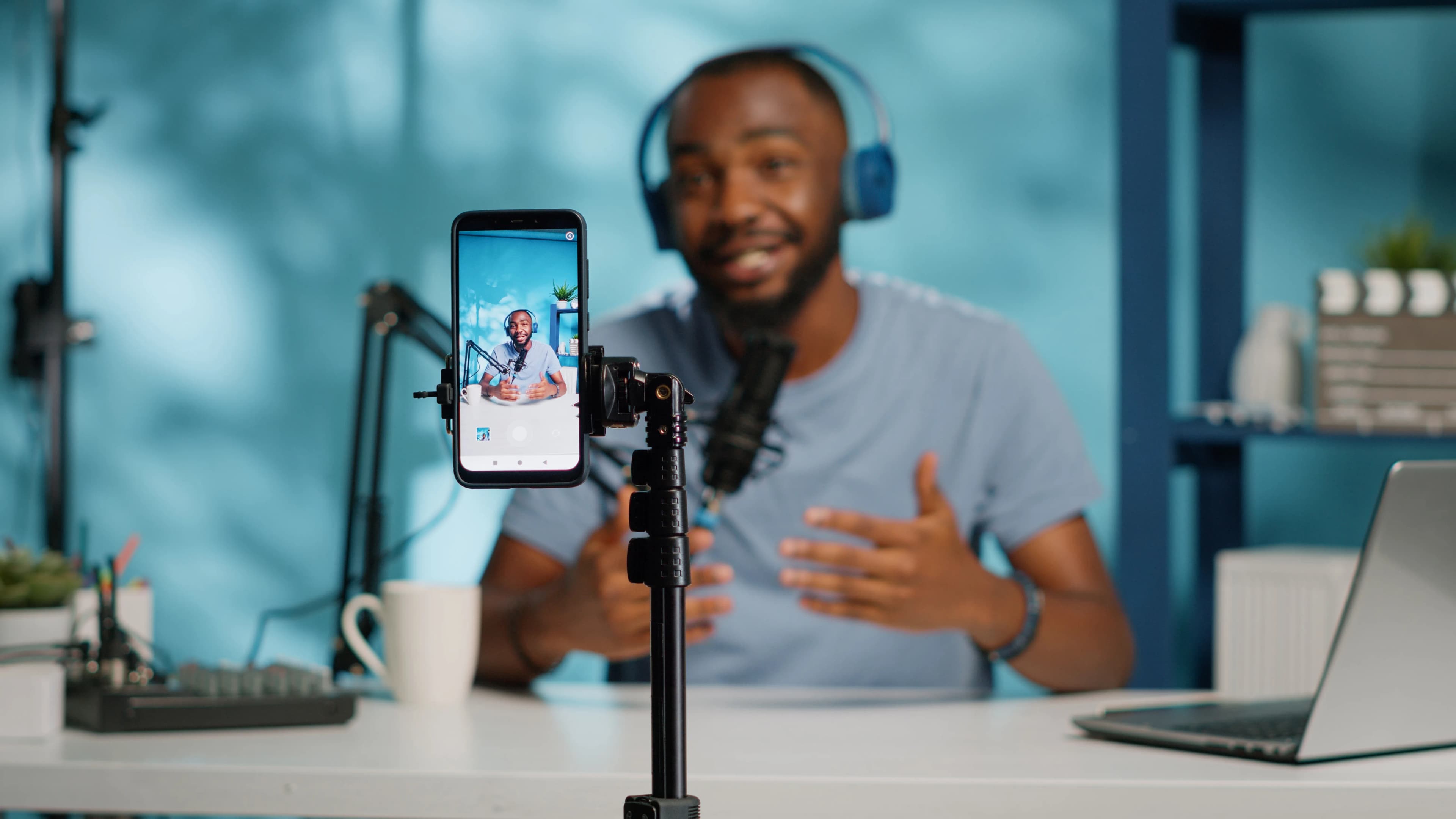
When you choose a social media agency, do not look at promised follower numbers; look at how the agency will measure the result it brings to your business. The core criteria are a goal written down at the start (awareness or demand), platforms chosen for your audience, accounts and ad assets that stay in your name, and content produced in line with the advertising rules that apply to you. If you advertise to consumers in Turkey, that includes the rules that took effect on 1 August 2026. Ask the seven questions below in the first meeting and get the answers in writing.
What does a social media agency do?
A social media agency's work falls under five headings: strategy (goal, audience, platform and message), content production (design, video, copy), community management (replying to comments and messages, communicating in a crisis), paid social advertising and reporting. Agencies take on all or some of these. When you compare proposals, the first job is to write down side by side which of these five headings each one covers; very different work may be sold at the same price.
A situation we often see: followers and likes go up, the monthly report arrives in full colour, but not a single enquiry reaches the business. Most of the time the reason is that the goal was never discussed.
1. What is the goal: awareness or demand?
Social media does two different jobs: it makes the brand known and it brings demand. Awareness is measured by reach, views and recall; demand by messages, forms, appointments and sales. The two need different content, different budgets and different reports.
Ask the agency: "Which number has to have gone up three months from now for this work to count as a success?" If the answer is only the follower count, the goal is incomplete. A good agency asks you this question itself and carries the answer into the scope section of the contract.
2. How will the platforms be chosen?
You do not need to be on Instagram, TikTok, YouTube, LinkedIn, Facebook and X all at once. The platform is chosen not from a package list but from where your customers actually spend their time: for a B2B industrial company LinkedIn and YouTube may stand out, for a boutique retail brand Instagram and TikTok.
A "we manage five platforms at once" package often means the same content copied to five places. Ask the agency what data it uses to decide where your audience is. We cover the strengths and weaknesses of each platform separately in our article on choosing the right social media platform.
3. Who will produce the content, and how will AI be used?
Make sure it is written down whether strategy, shooting, design and copy sit with the agency or whether some of it is expected from you. If photos or information are expected from you, the delivery frequency should also be written down; "we couldn't post because the content never arrived" is the most common dispute.
AI use is now a regulatory issue as much as a quality issue. Turkey's Commercial Advertising and Unfair Commercial Practices Regulation was amended in the Official Gazette of 1 July 2026, and the change took effect on 1 August 2026. Under it, if AI is used in ads in a way that significantly affects consumers' economic behaviour, or if ads feature AI characters that cannot be told apart from humans, this must be stated clearly and understandably. Ads showing an AI-generated digital copy of a real person as if they personally use or recommend the product are now banned. Ask the agency how it applies these rules.
4. Whose name will the accounts and ad assets be in?
Instagram and Facebook pages, ad accounts and pixel data are the business's assets. Meta lets you add a partner to your business portfolio and give it access to your assets; that is the right setup. The agency reaches your assets from its own portfolio, and the assets stay with you. The same principle applies on TikTok, LinkedIn and YouTube: the account is yours, the access is the agency's.
The result of this setup is that your ad history, audiences and content archive are not lost when you change agency. The contract should state what is handed over at exit: account permissions, source design files and raw video footage.
5. How will followers and comments grow?
Bought followers do not buy products, send messages or ask for quotes; they also lower your engagement rate and make the report unreadable. Promises such as "this many followers in the first month" are a warning sign. Ask the agency how it will deliver growth: if the answer is anything other than content, community management, collaborations and targeted ads, stay away.
There is now a clear legal line on reviews as well, at least in Turkey. The same amendment bans making an agreement with someone, or buying a service, to get untrue reviews written or endorsing statements used in order to increase sales of a product or service. An agency that suggests fake reviews or "happy customer" content puts you directly at risk.
6. Will influencer collaborations follow the rules?
If the agency will work with influencers on your behalf, it must know the labelling rule. Under Article 23/A of the Turkish regulation, ads made through influencers must carry one of the Turkish words "Reklam" (advertisement) or "Tanıtım" (promotion), together with the advertiser's name or a statement such as "provided by @[advertiser]". Even if no fee is paid, content counts as an ad when there is a benefit such as a free product or a discount.
Ask the agency for its brief template and its pre-publication approval step. We explain with examples how and where the label should appear in our influencer ad disclosure guide.
7. How will the community be managed, and what will the report show?
Who will reply to comments and messages, during which hours and how quickly? How does the approval chain work when a negative comment or a crisis comes in? If these answers are not in writing, it stays unclear who will speak at the most critical moment.
On the reporting side, reach, engagement and follower change are not enough on their own. A good report shows traffic from social media to your website, the number of messages and forms, cost per result in ads, and what will change next month. You should be able to verify the figures in the report from your own accounts' dashboards.
Proposal comparison checklist
- Are the goal and the success criterion in writing?
- Is the platform choice based on audience data?
- Is it clear who does what in content production, and how often material is delivered?
- Are there rules for AI use and ad labels?
- Are the pages, ad accounts and archive in the business's name?
- Is there a promise of follower or review numbers?
- Are response times, the crisis flow and report contents defined?
You can ask us the same questions; we explain how we work on our social media management page. Our teams work from İstanbul and Dubai.
Related service
social media marketingSee how we work →How did this land for you?
Be the first to react
Found it useful? Share it:
Frequently asked questions
What is the difference between a social media agency and a design agency?
A design agency produces visuals; a social media agency decides what is shared, to whom, on which platform and for what purpose, manages comments and messages, sets up ads and measures results. If you only buy visual production, you need to decide separately who is responsible for strategy, community management and advertising.
Which permissions should I share when handing social media to an agency?
Instead of sharing passwords, use the platforms' partner or role-based access tools. That way you can see who reaches which asset with which permission, and access can be removed in one step when you part ways. Keeping the owner role with at least two people inside the business also keeps the account safe if an employee leaves.
How long does it take to see results from social media?
Paid ads produce data in the first weeks and show which message works. Organic content and community build up more slowly and gain strength over months with regular posting and replies. That is why it is more realistic to set goals for three-month periods rather than for the first month.
Who is responsible if an influencer post has no ad label?
Under the Turkish Ministry of Trade's guide on influencers, the advertiser must inform the influencer about the rules and take measures against violations; it cannot pass this off as the influencer's responsibility. The guide also states that the advertiser, the ad agency and the influencer are each responsible for compliance. So checking the content and approving the label before publication is the job of both the brand and the agency.
Sources
- Ticari Reklam ve Haksız Ticari Uygulamalar Yönetmeliğinde Değişiklik Yapılmasına Dair Yönetmelik — Resmî Gazete, 1 Temmuz 2026
- Sosyal Medya Etkileyicileri Tarafından Yapılan Ticari Reklam ve Haksız Ticari Uygulamalar Hakkında Kılavuz — T.C. Ticaret Bakanlığı
- İşletme Portfolyonuzda Bir Ortağa İşletme Varlıkları İçin Erişim İzni Verin — Meta İşletme Yardım Merkezi
Related articles
- Digital Marketing
How to Choose a Google Ads Agency: 7 Questions on Accounts and Fees
Who should own the Google Ads account, when should conversion tracking be set up, and how should the agency fee be put in writing? Seven questions for choosing a Google Ads agency, based on Google's own Third-party policy.
7 min read - Digital Marketing
How to Choose the Right Social Media Platform for Your Business
The right social media platform is where your audience spends time, your product is easy to show and your team can keep publishing. Five questions to decide, with reach data for Türkiye.
5 min read - Digital Marketing
Social Media Content Calendar: How to Build One Step by Step
Which columns a social media content calendar needs, how to set posting frequency and what to check at approval. Steps, tools and a checklist for building a calendar from scratch.
7 min read