Drone Filming in Turkey: Licences, Permits and the 2026 Rules
Planning drone footage for a corporate film in Turkey? Licence levels, registration, airspace zones and permit rules under the new SHT-İHA instruction published in July 2026, plus a pre-shoot checklist.
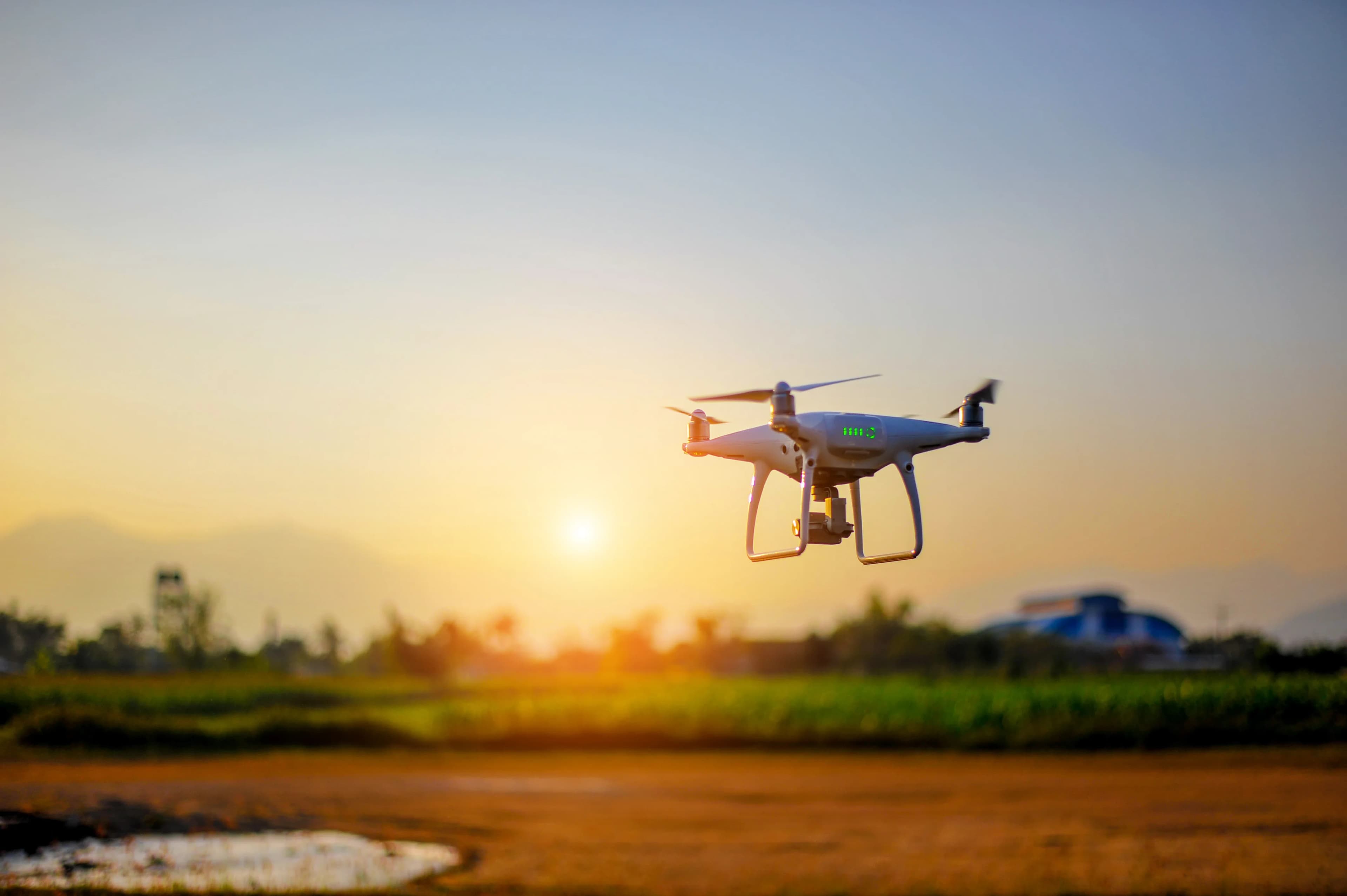
Yes, drone filming in Turkey is regulated, and a promotional shoot for a company counts as a commercial flight. Under the new Unmanned Aircraft Systems Instruction (SHT-İHA) published by Turkey's Directorate General of Civil Aviation (SHGM) on 30 July 2026, commercial flights within visual line of sight need at least a P1 licence, every drone user outside the toy category has to register, and flying anywhere outside a green zone requires permission. Flights over crowds can only be done with the highest level, a P2 licence, and within an operator.
These rules apply to flights in Turkish airspace. This article is not legal advice; check SHGM's latest announcements and the text of the instruction before you plan a shoot.
What changed in the new SHT-İHA?
The instruction repealed the previous SHT-İHA, in force since 2016, and took effect on the day it was published. The most important change is that flight authority is now set by the pilot's licence level and the status of the zone you fly in, not by the weight of the aircraft. Weight classes (M0: 500 grams to 4 kg, M1: 4 to 25 kg, M2: 25 to 150 kg, M3: 150 kg and above) still apply for technical requirements, but in the instruction's words, the aircraft class alone does not determine the scope of the operation.
The instruction also makes remote identification (Remote ID), geofencing and software certification mandatory for registered aircraft. Registration, notification and permit procedures will run through the Unmanned Aircraft Tracking and Traffic Management System (İHATTYS). Until İHATTYS is put into service and SHGM announces it, the provisions of the old regime also apply to these procedures.
Which licence does a corporate shoot need?
The new regime has three licence levels:
- P0 (amateur): flights with no commercial purpose. Within visual line of sight (VLOS), daytime only, up to 120 metres in height and 3,000 metres horizontal distance.
- P1 (commercial): commercial flights. Within visual line of sight, up to 120 metres in height and 3,000 metres horizontal distance; night flights are possible with suitable equipment. The pilot must be at least 18.
- P2: high-risk operations such as beyond visual line of sight (BVLOS), autonomous flights, and flights over crowds and people. P2 flights are carried out within a very light aircraft operator or a general aviation operator.
In practice, a promotional shoot of a factory, facility, hotel or real estate project falls under P1. Shots that pass over crowds at events such as launches, concerts, trade fairs or openings require P2. So for event filming you either work with a P2-authorised operator or plan your camera angles so they do not pass over the crowd.
Which drones have to be registered?
Under the instruction, only the Simple UAV (toy) category is exempt from registration, licensing and certification duties. A Simple UAV is defined by design, not weight: an aircraft that cannot leave a cylindrical space 10 metres in radius horizontally and 20 metres high. Drones under 500 grams that do not fit this definition are subject to the M0 class rules. In other words, a light camera drone used for filming is also within the scope of registration.
For drones already in use when the instruction took effect, the deadline for registration and technical conversion (remote ID, geofencing, software certification) is 31 July 2027. After that date, aircraft that have not been converted cannot be flown in Turkish airspace.
Where can you fly: green, red and orange zones
The İHATTYS map shows airspace in three colours:
- Green zone: areas designated by SHGM that need no separate permission below a certain altitude.
- Red zone: areas closed to drone flights by the competent authorities. A permit here is only granted with the approval of the authority that closed the area, and a NOTAM is required; if that authority does not approve, no permit is issued.
- Orange zone: areas where a permit or allocation has been given to another user, marked on the map for the duration of that permit.
The key point is this: every area outside a green zone counts as a restricted zone under the instruction. Flights there are possible with SHGM permission, following an application made through the İHATTYS map and with the approval of the local civil administrator responsible for the area. P0 and P1 pilots must also check the current zone status on the map before every flight.
How should you plan before the shoot?
The permit process should be part of the shooting schedule, not something started in the final week. For a corporate aerial shoot, we suggest this order:
- Purpose and shot list: where will the aerial footage be used in the film? List every scene, such as an opening shot, the scale of the facility or how close the location is to transport links.
- Zone check: check the status of the filming location on the map early. Sites near airports, military areas or public buildings may be in a red zone.
- Property and site approval: get written approval from the management of the site you are filming; if you will film neighbouring plots or people in a recognisable way, plan for that too. Turkey's Personal Data Protection Law (KVKK) is among the legal bases of the instruction.
- Light and weather: the hours close to sunrise and sunset give softer light. Wind and rain directly affect flying, so set aside a backup shooting day.
- Match with ground footage: the colour and movement of aerial shots should match the ground footage; discuss the edit before the shoot.
We walk through the whole process of a promotional film step by step in our article on promotional video production.
What should you ask the film crew?
If you are commissioning drone filming from an agency or production team, ask these questions at the proposal stage:
- What is the pilot's licence level? During the transition, old İHA1 certificates are being converted to P1; the conversion must be completed by 31 July 2027.
- Is the drone that will be used registered and compliant with the technical requirements of the new instruction?
- Who will apply for the permit, and what is plan B if it is not granted?
- Is a flight over a crowd planned for the event shoot, and if so, does the crew have P2 authorisation?
- Do they have insurance for damage that might be caused to third parties?
- Will raw footage be delivered, and in which resolution and colour profile?
In short
- A corporate promotional shoot is a commercial flight; commercial flights within visual line of sight need at least a P1 licence.
- Flights over crowds and beyond visual line of sight need P2 and an operator.
- All drones except the toy category must be registered; low weight alone does not give an exemption.
- Permission is needed everywhere outside green zones; in red zones the relevant authority's approval and a NOTAM are required.
- The transition period for existing permits, certificates and aircraft ends on 31 July 2027.
For your promotional film or corporate shoot, take a look at our photo and video services.
How did this land for you?
Be the first to react
Found it useful? Share it:
Frequently asked questions
Do drones under 250 grams need a permit in Turkey?
Under the new instruction, the exemption depends on design, not weight. Only the Simple UAV class, which cannot leave a 10-metre radius and 20-metre height, is exempt from registration and licensing; drones under 500 grams that do not fit this definition are subject to the M0 class rules. Even a Simple UAV cannot enter red zones.
Are my İHA1 certificate and flight permits still valid?
Under the instruction, flight permits, authorisations and operator certificates issued under the old regime remain valid until 31 July 2027. İHA1 certificates are being converted to P1 and İHA2 and İHA3 licences to P2; for this, the adaptation training in the transition plan must be completed by the same date.
Can you film with a drone at night?
A P0 licence covers daytime flights only. With a P1 licence, night flights are possible using suitable equipment; the aircraft must be sufficiently visible, and SHGM may require a UAV observer when it considers it necessary. If the night shoot is outside a green zone, a separate permit is also needed.
What are the penalties for flying a drone without following the rules?
Flights that breach the instruction are subject to the penalty provisions of Turkish Civil Aviation Law No. 2920 and SHGM's regulation on administrative fines. A pilot licence can be suspended for one month to two years depending on the degree of fault; repeated or deliberate violations can lead to the licence being revoked and a five-year ban on getting a new one.
Sources
- İnsansız Hava Aracı Sistemleri Talimatı (SHT-İHA) Yayımlanmıştır — Sivil Havacılık Genel Müdürlüğü, 2026-07-30
- İnsansız Hava Aracı Sistemleri Talimatı (SHT-İHA) — Sivil Havacılık Genel Müdürlüğü, 2026-07-30
Related articles
- Brand & Design
Social Media Design System: Templates, Sizes and Rules
Consistent social media design comes from a template system. Brand basics, templates by content type, 2026 Instagram sizes, the 3:4 profile grid and the readability checks to run before you publish.
6 min read - Brand & Design
How to Choose a Brand Color Palette: Steps and Usage Rules
Color psychology alone will not give you a brand palette. How many colors you need, the primary, secondary and neutral structure, WCAG contrast ratios, screen and print consistency, and what your guidelines should hold.
6 min read - Brand & Design
How to Design Product Packaging: Principles That Drive Purchase
The packaging design process step by step: the brief, information hierarchy, mandatory label information, print preparation and shelf testing, so your pack is noticed on the shelf and in online listings.
6 min read